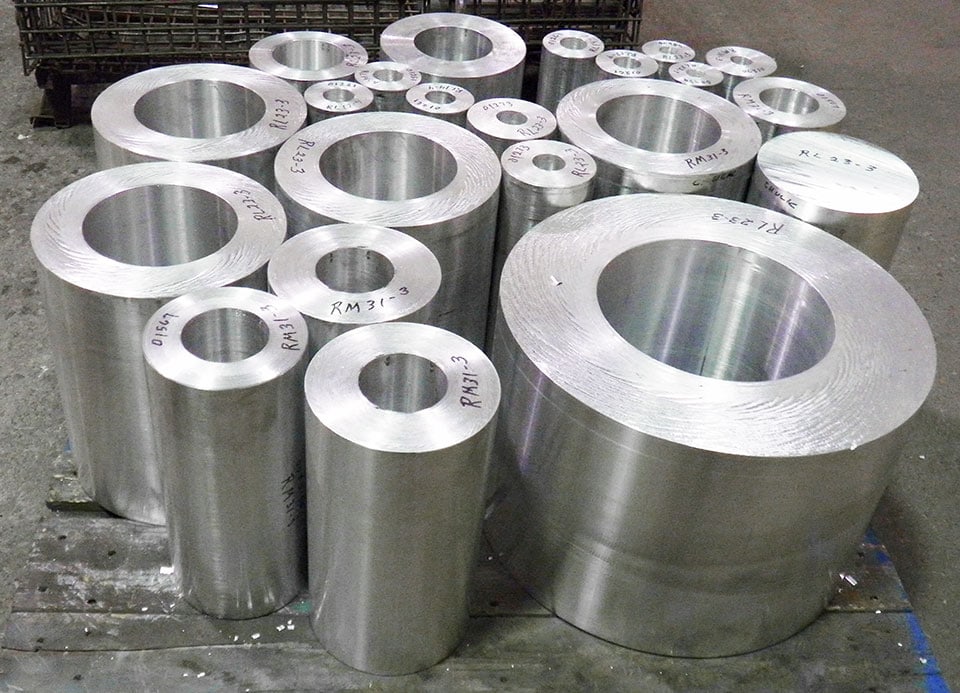
Recognizing the Duty of Aluminum Foundry in Creating High-Quality Steel Products
Aluminum shops are necessary in the manufacturing of top quality steel items. They use numerous casting techniques, such as sand and die spreading, to accomplish accuracy and resilience. With extensive quality assurance actions in location, these centers assure that their products satisfy industry requirements. As markets evolve, the duty of Aluminum shops continues to adapt. This questions concerning future developments and sustainability practices that might redefine their influence.
The Aluminum Spreading Refine: Advancements and methods
The Aluminum spreading process has actually progressed significantly, incorporating various techniques and advancements that improve performance and item top quality. Typically, techniques such as sand spreading and pass away casting were predominant; nonetheless, improvements have introduced processes like financial investment spreading and low-pressure die spreading. These advancements allow makers to accomplish intricate styles and tighter resistances, reducing product waste and improving overall performance.
Furthermore, the assimilation of computer-aided style (CAD) and simulation software program permits more accurate modeling and testing, making certain that possible issues are recognized early in the production cycle. Additionally, developments in alloy formulations cause enhanced mechanical homes and deterioration resistance
These advancements not just simplify production yet also advertise sustainability by minimizing energy consumption and exhausts. As the industry remains to welcome new modern technologies, the Aluminum spreading procedure remains a critical element in generating high-grade steel items that meet varied market needs.
Applications of Aluminum in Numerous Industries
Aluminum's adaptability and desirable homes make it a valuable material across various industries. In the automotive market, Aluminum is widely utilized for its light-weight qualities, adding to boosted fuel performance and performance. The aerospace industry likewise benefits, as light weight aluminum's high strength-to-weight ratio enhances airplane layout while maintaining security criteria.
In building and construction, Aluminum is favored for its longevity and resistance to rust, making it suitable for window structures, roof covering, and architectural elements. The packaging industry leverages light weight aluminum's non-toxic nature and recyclability, especially in food and beverage containers, ensuring security and sustainability.
In addition, the electric market employs Aluminum for its exceptional conductivity in circuitry and transmission lines. The durable goods field utilizes Aluminum in items varying from cooking area tools to electronic devices, stressing its adaptability. Aluminum plays an essential role in boosting functionality, effectiveness, and sustainability throughout varied applications.
Advantages of Utilizing Aluminum Over Various Other Steels
While numerous steels are used in different applications, Aluminum sticks out as a result of its unique mix of residential or commercial properties that provide numerous benefits over various other materials. Its light-weight nature significantly decreases transport expenses and energy usage, making it perfect for sectors such as auto and aerospace. Light weight aluminum's excellent deterioration resistance improves resilience, prolonging the life of products and lowering upkeep needs. Furthermore, it shows high thermal and electric conductivity, making it ideal for electric and thermal administration applications.
The metal's pliability enables detailed designs and complex shapes, supplying flexibility in producing processes. Additionally, Aluminum is 100% recyclable without loss of top quality, promoting sustainability and lowering environmental influence. Wisconsin Aluminum Foundry. These attributes, combined with its reasonably affordable contrasted to various other metals, position Aluminum as a preferred option throughout numerous industries. Overall, the advantages of Aluminum add to its enhancing appeal in the production of top notch metal products

Quality Assurance Actions in Aluminum Foundries
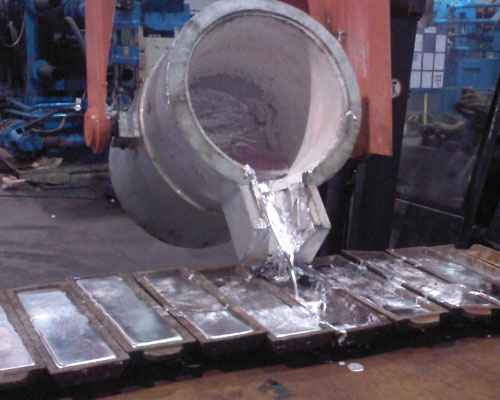
Quality assurance measures play an important role in the Aluminum Foundry process, guaranteeing that the last products satisfy strenuous sector standards and client expectations. These actions generally start with material examination, where raw Aluminum is examined for purity and composition. As soon as the casting procedure begins, temperature control is crucial; keeping perfect molten steel temperatures protects against flaws such as porosity and shrinking.
Additionally, non-destructive screening (NDT) methods, including ultrasonic and radiographic inspections, are utilized to find interior flaws without harming the spreadings. Aesthetic assessments are additionally conducted at different stages to recognize surface area flaws.
Additionally, adherence to well-known quality management systems, such as ISO criteria, is necessary for keeping consistency and traceability throughout the manufacturing process. Routine audits and staff member training on quality requirements add to a total culture of excellence, ensuring that the items not only exceed however fulfill customer expectations in efficiency and longevity.
The Future of Aluminum Foundries: Patterns and Sustainability
As the Aluminum Foundry industry evolves, emerging patterns and an emphasis on sustainability are improving its landscape. Boosting need for helpful resources light-weight and long lasting products in markets like vehicle and aerospace drives development in Aluminum spreading methods. Advanced technologies, such as expert system and automation, are boosting production effectiveness and precision while lowering waste.
Sustainability is becoming a critical concern, motivating foundries to implement eco-friendly practices, including reusing Aluminum scrap and making use of renewable resource sources. The shift in the direction of circular economic situation principles motivates foundries to lessen environmental effect while meeting customer assumptions for sustainable products.
Additionally, regulatory pressures are pressing the sector in the direction of cleaner procedures, cultivating collaboration between manufacturers and ecological organizations. As these trends converge, the future of Aluminum foundries will likely be identified by a commitment to sustainability, effectiveness, and top quality, ensuring their significance in an affordable market.
Regularly Asked Inquiries
What Are the Environmental Effects of Aluminum Foundries?
Light weight aluminum foundries add to ecological influences via power consumption, greenhouse gas exhausts, and potential air and water pollution. Furthermore, mining bauxite for Aluminum can cause habitat destruction and soil destruction, influencing neighborhood environments.
Exactly How Do Factories Guarantee Employee Safety And Security During Manufacturing?
Factories implement extensive safety and security methods, consisting of safety equipment, air flow systems, and routine training. They conduct threat analyses and keep safety criteria to lessen threats, making sure a more secure working setting for employees throughout the production procedure.
What Accreditations Should a Light Weight Aluminum Foundry Have?
A light weight aluminum Foundry must possess certifications such as ISO 9001 for quality administration, click for more ISO 14001 for environmental monitoring, and OSHA compliance for safety standards. These certifications assure adherence to industry policies and dedication to top quality and safety and security practices.
Exactly How Does Aluminum Recycling Affect Foundry Workflow?
Aluminum reusing substantially enhances Foundry operations by providing a cost-effective resources source, lowering power consumption, and minimizing ecological impact - Aluminum Castings. It also motivates lasting practices, enabling foundries to keep competition in a rapidly progressing market
What Are Usual Problems in Aluminum Castings?
Common problems in Aluminum spreadings include porosity, shrinkage, incorporations, and surface area imperfections. These problems can emerge from improper mold and mildew layout, inadequate putting techniques, or contamination during the melting and spreading processes, affecting total product high quality.